


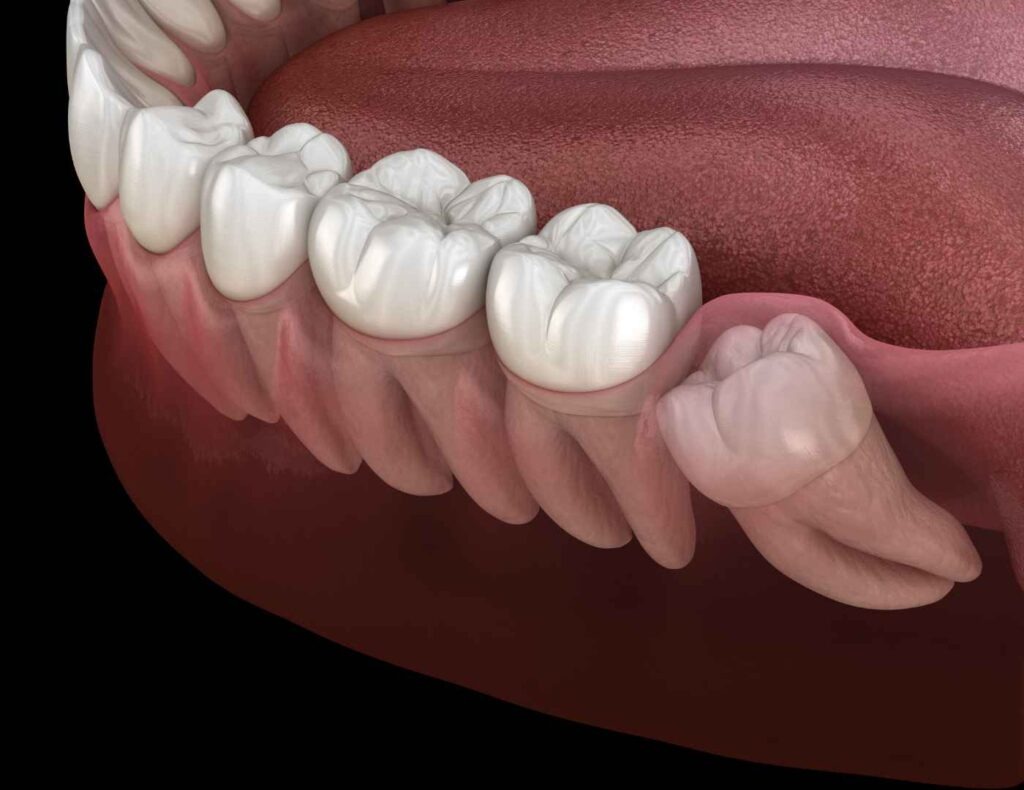
Third molars, or wisdom teeth, often erupt into the mouth between the ages of 17 and 25. They don’t bother some people, but they cause pain, congestion, or illness for many others. If wondering whether or not you can keep your wisdom teeth seems familiar, then you’re not alone. Your unsure feeling is normal. Don’t worry; you will be able to make the best decisions by having the right guidance towards oral health.
After reading the article below, you will get all the information needed to decide whether you should keep the wisdom teeth or get them removed.
What Are Wisdom Teeth?
The final molar teeth that erupt from the back of your mouth are called wisdom teeth. Two at the top and two at the bottom make up the majority of the adults’ four. They were quite helpful for chewing coarse foods in the past, but these days they are usually ineffective and introduce complications.
Can You Keep Your Wisdom Teeth?
Yes, it is advisable to keep wisdom teeth only if it is:
- Fully erupted
- Properly aligned
- Healthy
- Easy to clean
If your dentist confirms that those conditions are present, then there usually is no reason to remove them. But there are still routine checkup visits to make, and X-rays should then be done regularly.
When Wisdom Teeth Become a Problem
Wisdom teeth frequently erupt improperly. Typical problems include:
- Impaction: When teeth become lodged beneath bone or gums
- Crowding: Wisdom teeth may cause other teeth to shift
- Decay or infection: These are harder to reach and clean
These problems can cause pain, swelling, and stiffness in the jaw and can even damage nearby teeth; that’s when doing wisdom teeth extraction in Hamilton is important.
Signs You May Need Removal
You may need to remove your wisdom teeth if you experience:
- Persistent pain in the back of your mouth
- Swollen, tender gums
- Difficulty opening your mouth
- Bad breath or unpleasant taste
- Cysts or tumors forming around the teeth
What Happens If You Don’t Remove Problematic Wisdom Teeth?
- Avoiding necessary removal can lead to:
- Gum disease
- Tooth decay
- Damage to adjacent teeth
- Infections or abscesses
Over time, these problems may worsen and require more invasive treatment.
What Happens During Wisdom Tooth Removal?
The process relies on whether your teeth are impacted:
- Removal of erupted teeth is comparable to a routine extraction.
- A surgical procedure under general anesthesia is required for impacted teeth.
Depending on your circumstances, your dentist will advise you on the best course of action.
Recovery and Aftercare
Recovery typically takes about a week. Here’s what to expect:
- Rest during the first 24-48 hours
- Swelling and mild discomfort are normal
- Avoid smoking, using straws, and vigorous rinsing
Follow all the instructions that your dentist recommends to avoid complications like dry socket.
Are There Alternatives to Removal?
In some cases, partial removal or coronectomy (removal of the crown portion) may be considered. These are less common and depend on the position of the tooth and associated risks.
How to Decide What’s Right for You
The best decision depends on
- The position of your wisdom teeth
- Your oral health
- Recommendations from your dentist
Some people keep their wisdom teeth for life without issue, while others might wish to remove them during their late teens or early twenties to prevent future problems.
Wrapping Up!
See a dentist if you have any questions regarding your wisdom teeth. Although not all wisdom teeth require extraction, close observation is essential. When the need arises, see wisdom teeth extractions in Hamilton to prevent them from harming your smile.
Smart Care Leads to a Healthy Smile
For expert advice and treatment, visit a trusted dental clinic in Hamilton. Garth Dental offers experienced care, modern techniques, and personalized treatment plans to help you maintain lifelong oral health.