


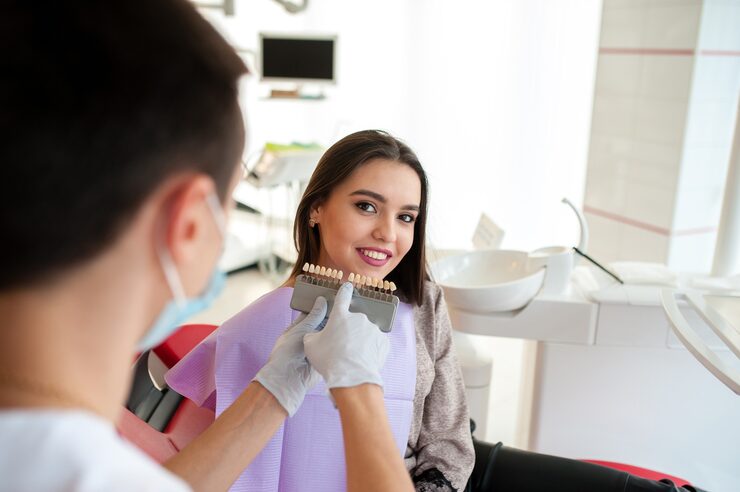
Dental veneers are thin, custom-made shells that cover the front of your teeth. They can help improve chips, deep stains, gaps, or uneven tooth shape. If you are looking for a dentist in Hamilton, you may want to know whether veneers are worth the investment. Veneers do not last forever, but with good care, they can last many years.
How Long Do Dental Veneers Usually Last?
Most porcelain veneers last about 10 to 15 years. Some may last longer with strong oral hygiene, regular dental visits, and healthy bite habits. Choosing dental veneers in Hamilton can help you improve your smile, but your long-term results depend on how well you care for them.
What Makes Veneers Last Longer?
The material matters, but daily care matters too. Porcelain is often used because it looks natural and resists stains better than natural enamel. Still, the tooth underneath the veneer needs to stay healthy. Brushing, flossing, regular checkups, and avoiding hard biting habits can all help veneers last longer. If decay develops around the edge of the veneer, the restoration may need to be repaired or replaced.
If you visit a dental clinic near you before treatment begins, the dentist can check your teeth and gums to make sure veneers are a suitable option for you.
Tips to Help Veneers Last
Do Not Use Your Teeth as Tools
Avoid using your teeth to open packages, bite tags, chew ice, or crack hard foods. Veneers are strong, but they can still chip or crack under sudden pressure.
If you play sports, a mouthguard can help protect your veneers and natural teeth from injury.
Protect Your Veneers Against Night Grinding
Many people grind or clench their teeth while sleeping. This is called bruxism. It can place heavy pressure on veneers and may cause chips, cracks, or wear over time.
If you grind your teeth, your dentist may recommend a custom night guard. This helps reduce pressure and protect your dental work while you sleep.
Brush Your Veneers with a Soft Toothbrush
You do not need special tools to clean veneers, but you do need to be gentle and consistent. Brush twice a day with a soft-bristled toothbrush and non-abrasive toothpaste.
Avoid very gritty whitening toothpastes, as they may dull the surface of veneers over time.
Floss Every Day
Flossing is still important with veneers. Food and plaque can collect where the veneer meets the gumline. If that area is not cleaned well, gum irritation or decay may develop around the tooth.
Why Regular Checkups Matter
Even when your veneers feel fine, regular dental checkups are important. Catching small concerns early can help you avoid more complex treatments later.
Your dental team can clean around your veneers and make sure they are still fitting well.
A Smile That Lasts Takes Daily Care
Veneers need care to stay in good shape. Good brushing, daily flossing, regular checkups, and avoiding hard biting habits can all help protect your results. Our team at Garth Dental can guide you on how to care for your veneers over time.
Call us today to book your visit.
Frequently Asked Questions
Do dental veneers feel strange at first?
They may feel slightly different at first because they add a thin layer to the teeth. Most patients adjust within a few days.
Can I eat apples or corn on the cob with veneers?
Yes, but it is better to cut hard foods like apples into smaller pieces instead of biting directly into them.
Will veneers need to be replaced?
Yes, eventually. Veneers can last many years, but they may need to be replaced if they chip, wear down, loosen, or no longer fit well.
Are porcelain veneers stain-proof?
Porcelain veneers are stain-resistant but not completely stain-proof. Regular brushing, dental visits, and limiting staining habits can help maintain their appearance.