


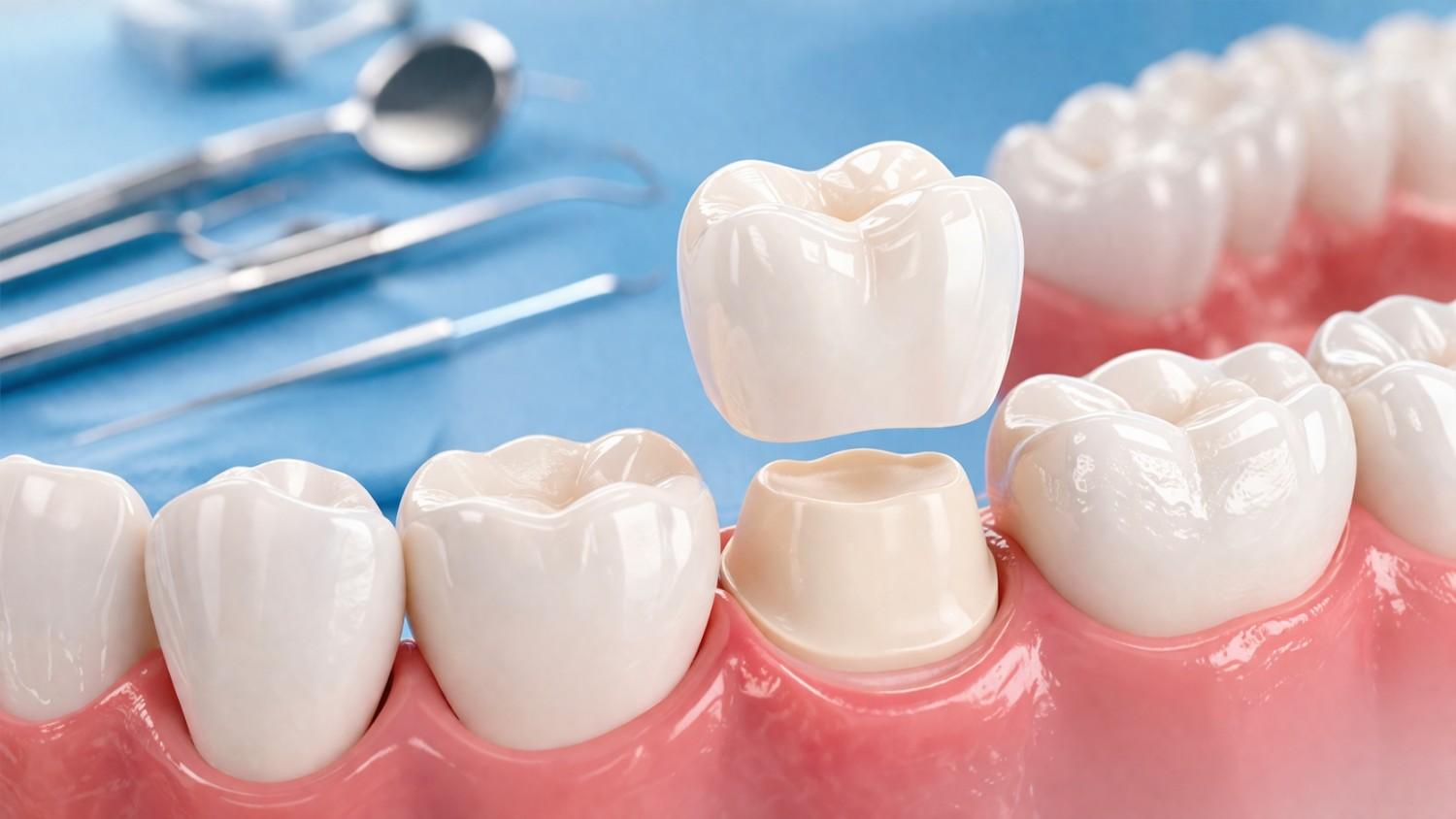
Will you feel pain for dental crowns in Hamilton? Many people dread this procedure, but knowing what happens next can help eliminate fear. A dental crown is a prosthetic ‘cap’ that is placed over the tooth to restore its shape, size, and strength and improve its appearance.
Here, we’ll break down what happens during a dental crown procedure, what to expect in terms of pain, and how to care for your crown after it’s placed.
What is a Dental Crown?
A dental crown is a cap that fits over a damaged tooth to restore its shape, strength, and function. Crowns can be made from materials like porcelain, ceramic, or metal. They protect the tooth from further damage while improving its appearance.
Why You Might Need a Crown
- Large cavities that weaken the tooth
- Cracked or broken teeth
- Teeth that have undergone root canal treatment
- Worn-down teeth due to grinding or aging
Getting a crown can prevent further dental issues, preserve your natural tooth, and make chewing and speaking easier.
Does Getting a Crown Hurt?
One of the most common questions is, ” Is getting a crown painful? The short answer: usually, no.
Here’s what happens during the procedure:
- Numbing the Area: Your dentist uses local anesthesia to numb the tooth and surrounding gums. You may feel a quick pinch, but the area will soon be numb.
- Tooth Preparation: The dentist shapes your tooth so the crown fits perfectly. You might feel pressure or vibrations, but not sharp pain.
- Impression Taking: An impression of your tooth is made for a custom crown. This is painless and usually done with putty or digital scanning.
- Temporary Crown: If your permanent crown is being made in a lab, a temporary crown protects your tooth. This may feel slightly bulky at first.
- Crown Placement: Once the permanent crown is ready, your dentist checks the fit and cements it in place.
Most patients report feeling mild pressure or soreness, but serious pain is rare.
Pain After a Dental Crown
It’s normal to experience some discomfort after the procedure, especially when the anesthesia wears off. Here’s what you might notice:
- Soreness in the gums
- Sensitivity to hot or cold foods
- Mild pain when biting or chewing
Tips to Reduce Discomfort
- Take over-the-counter pain relievers if recommended by your dentist.
- Eat soft foods for the first day or two.
- Avoid sticky or hard foods that could loosen the crown.
- Maintain gentle brushing and flossing around the crown.
If pain persists for more than a few days or gets worse, contact your dentist near you to ensure there are no complications.
How Long Does the Procedure Take?
The time for a dental crown procedure depends on whether your crown is made in-office or at a dental lab.
| Step | Typical Time |
| Numbing and tooth preparation | 30–60 minutes |
| Taking impressions | 10–15 minutes |
| Temporary crown placement | 10–20 minutes |
| Permanent crown fitting | 20–40 minutes |
In some modern clinics, crowns can be designed and placed in a single visit using CAD/CAM technology, which can be faster and more convenient.
Types of Dental Crowns
Choosing the right dental crowns affects comfort and durability. Here are the main types:
- Porcelain/Ceramic Crowns: Best for front teeth; look natural and are gentle on opposing teeth.
- Metal Crowns: Strong and durable; often used for molars.
- Porcelain-Fused-to-Metal: Combines strength and appearance.
- Zirconia Crowns: Highly durable and tooth-colored; suitable for most teeth.
Your dentist in Hamilton will help choose the crown that best fits your needs.
Ready for a Comfortable and Pain-Free Crown?
Using the most modern dental techniques, the placement of dental crowns can be done in comfort and safety with little to no discomfort. Your crown can safely protect and restore your tooth for several years with the proper care.
Towards a stronger and healthier smile, take the first step. Make an appointment at Garth Dental for your consultation and enjoy friendly, professional help that’s tailored to meet your needs.
FAQs
Will anesthesia completely block pain?
Yes, local anesthesia numbs the area, so you should not feel pain during the procedure.
How long does soreness last?
Mild soreness usually lasts 2–3 days, though some sensitivity may persist for a week.
Can a crown fall off or become loose?
If a crown becomes loose, it’s important to see a dentist promptly for re-cementing or adjustment.
Does it hurt to get a crown after a root canal?
A tooth that has had a root canal may feel slightly tender, but proper anesthesia ensures minimal discomfort.